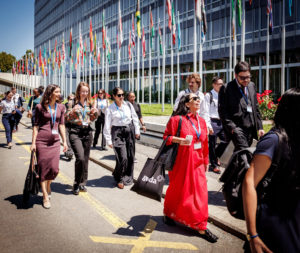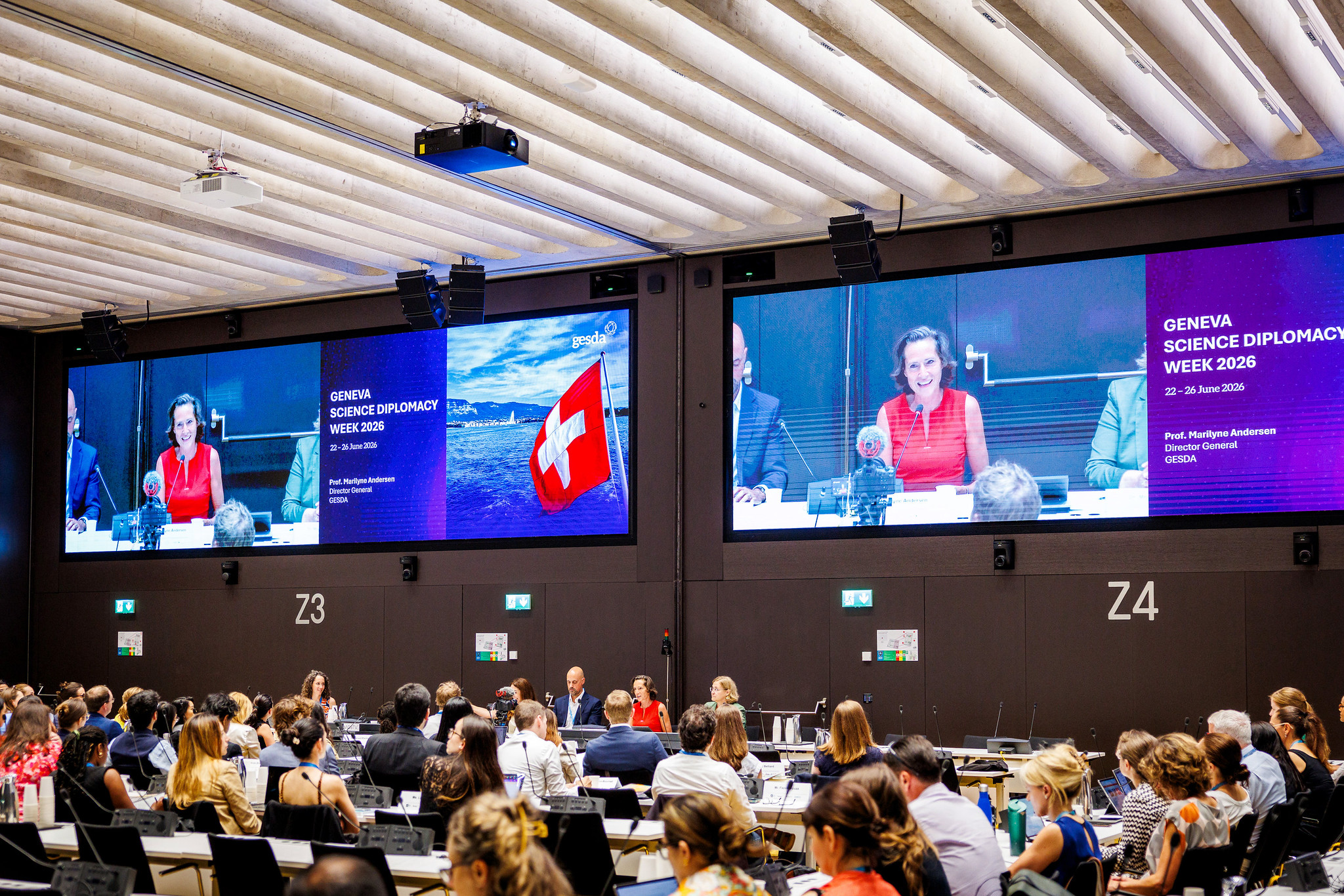

The fifth edition of Geneva Science Diplomacy Week launched today at the World Health Organization (WHO)
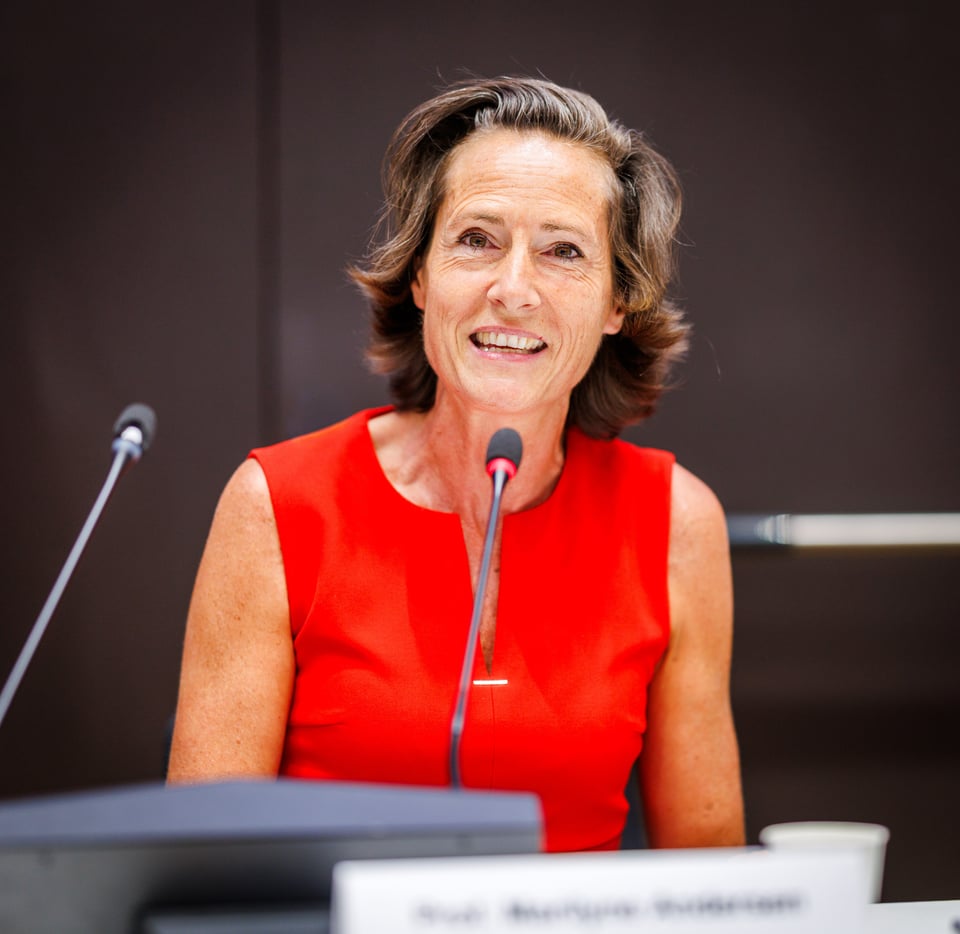
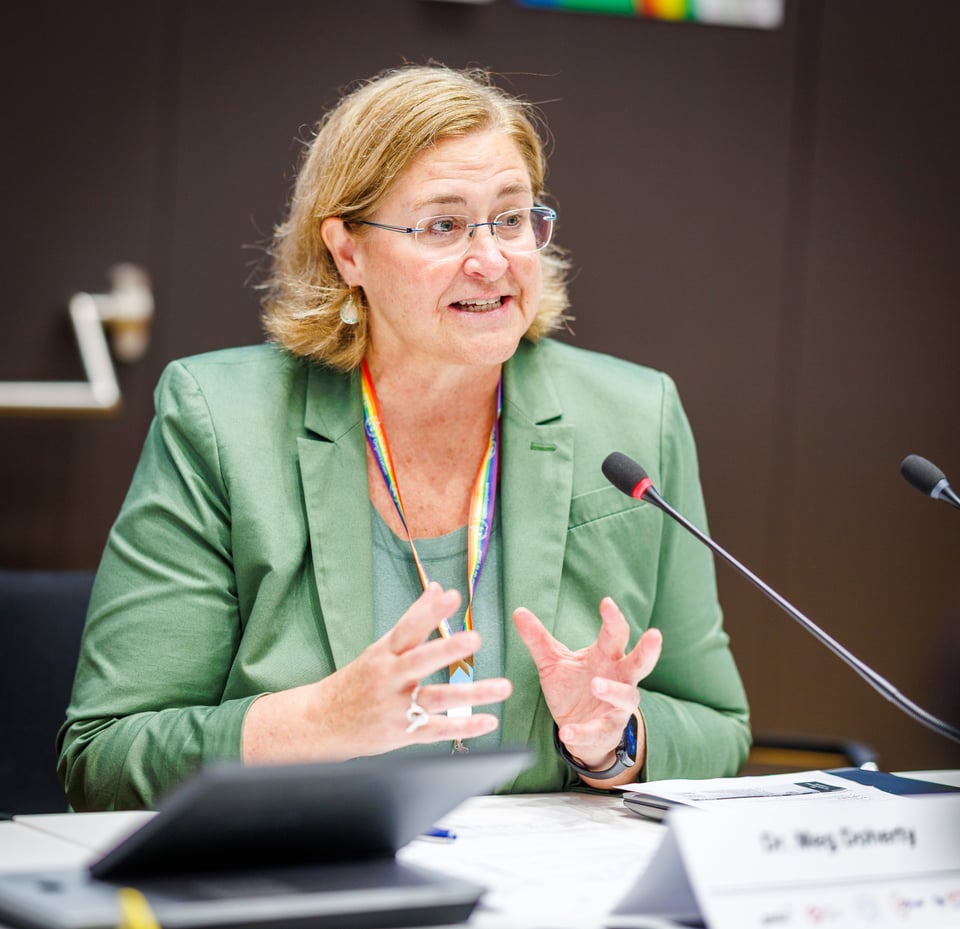
“WHO is one of the most fitting places to begin this programme, as it sits at the heart of science diplomacy for global health, turning evidence into collective action,” said Professor Marilyne Andersen, Director General of GESDA, in her welcome remarks. The setting was equally well chosen given WHO’s Science Division work of “looking at the horizon, scanning frontier science, anticipating where we need to be going and identifying what should be brought forward into policy“, as Dr. Meg Doherty, Director of the WHO Department of Science for Health, put it.
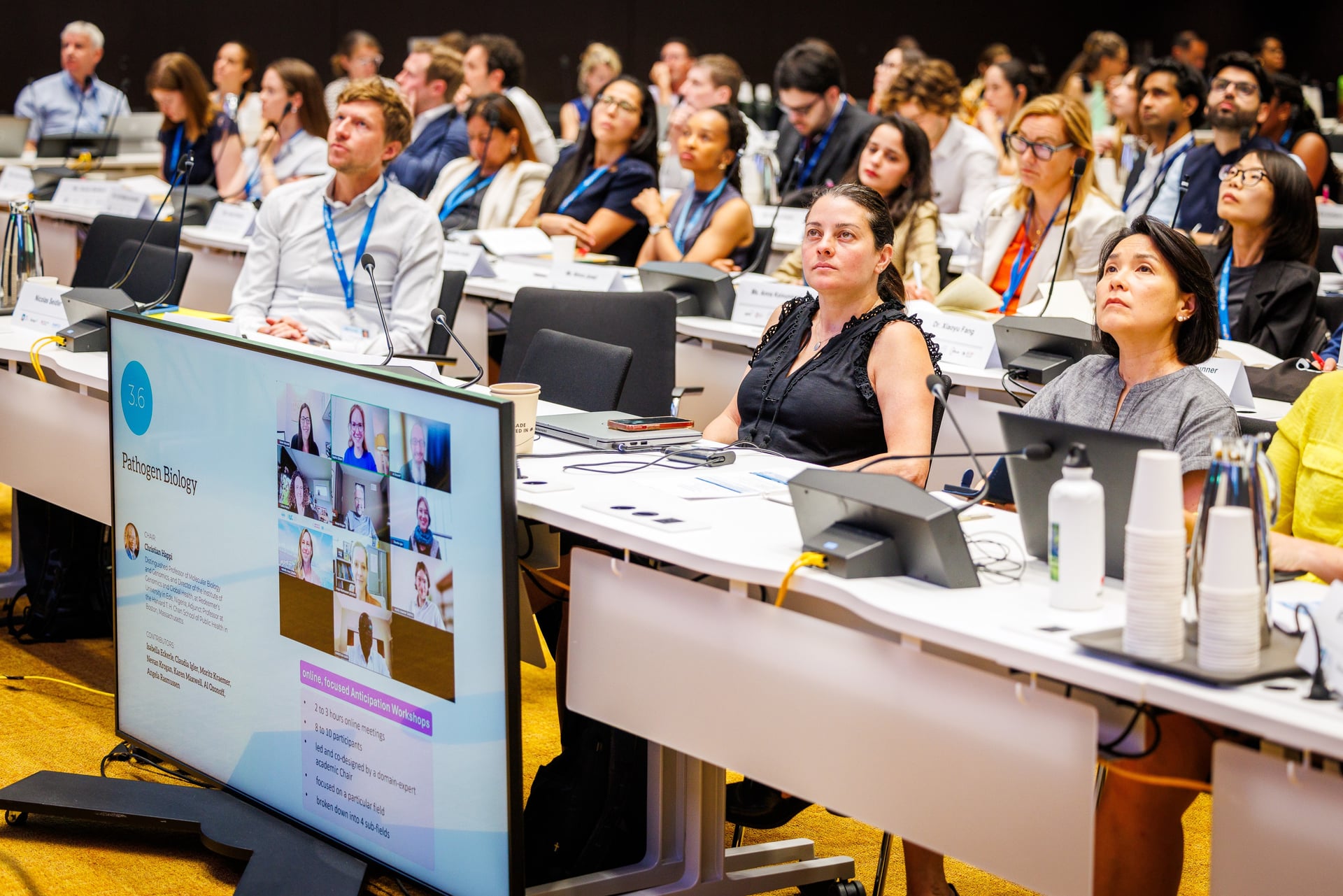
The 38 participants, selected from more than 350 applications, include leaders from business, diplomacy, government, academia and civil society across five continents — the fifth-anniversary cohort of GESDA’s flagship training and immersion programme in International Geneva, dedicated to the role of anticipatory science diplomacy for the future of multilateralism.
Opening the programme, Dr. Marga Gual Soler, GESDA’s Executive Director of Capacity and Leadership and Programme Director of the Geneva Science Diplomacy Week, asked: “Is mirror biology the next existential threat for humanity you have never heard of?”
The question led participants into one of the most contested fields in science diplomacy — technologies that require asking whether existing governance frameworks can mitigate risks while still allowing societies to capture the opportunities, as Ignacio Vázquez, Policy Lead at Wellcome, reflected.

The still-hypothetical field of mirror life provides the perfect entry into anticipatory science diplomacy, bringing together key questions that run through the wider programme: when should governance engage a technology whose risks are serious in theory but distant in practice? And how can multilateralism keep pace with fast-moving science? Dr. Marga Gual Soler, Executive Director, Capacity & Leadership, GESDA
The international debate on mirror biology so far shows how scientists, governments, international organisations, industry, philanthropy and the media shape an emerging issue before the underlying science is settled — and how governance can engage emerging technologies before their opportunities, risks and public narratives are fully formed. Engaging with emerging science before the policy choices become obvious is precisely the objective of the Science Diplomacy Week.
Signal and noise
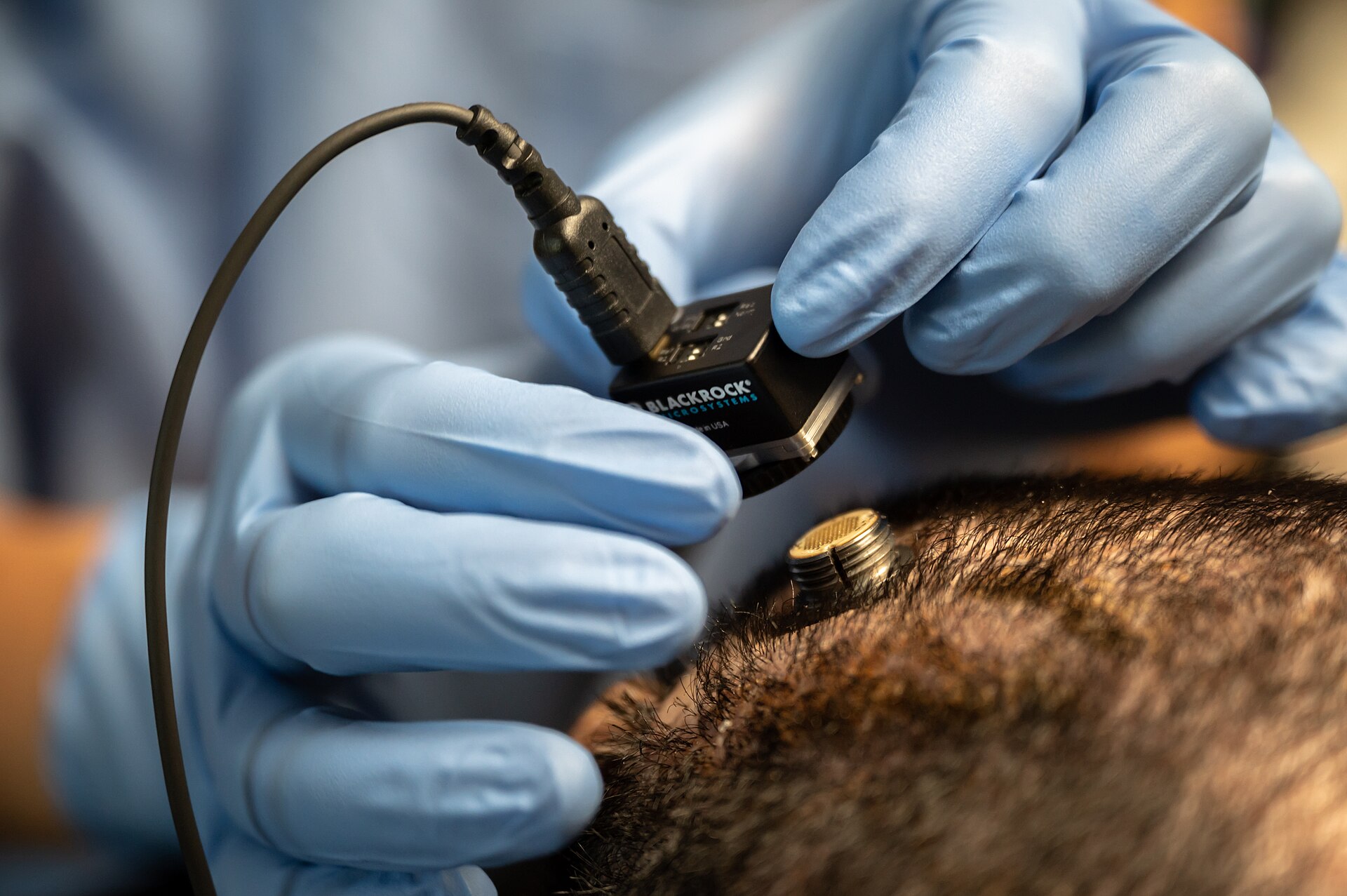
The discussion opened on a crucial distinction. Mirror molecules — including mirror peptides and possible mirror-image drugs — already exist and have attracted pharmaceutical interest. Because of their slower biodegradation rates and ability to evade immune detection, they can be useful for medical applications, virtually eliminating undesirable immune responses. Mirror organisms, including self-replicating mirror bacteria, by contrast remain hypothetical. No laboratory has created one, and most experts place feasibility one to three decades away.
“That gap matters enormously for anticipatory science diplomacy” said Dr. Gual Soler. “It gives us a crucial window to prepare the governance frameworks needed to ensure this potential breakthrough is used for good.”
Public concern has grown significantly since 2024, when an interdisciplinary group of researchers, including Nobel Prize winners, raised the alarm about the possible creation of mirror life, warning that mirror bacteria could pose unprecedented risks to humans, animals, plants and ecosystems. But that concern has focused largely on an organism that does not yet exist — and may never be built — while present-day research includes molecules with real and promising applications in medicine, biomanufacturing, biosensing and environmental remediation.
Dr. Ana Luiza Queiroz of the University of Manchester introduced the scientific foundations, tracing the story from the molecular handedness first observed by Louis Pasteur in 1848 through the cautionary legacy of thalidomide, a drug whose mirrored molecules caused devastating birth defects. The conversation moved from mirror molecules in use today to the more distant and contested question of mirror organisms, identifying the mirror-capable ribosome — nature’s protein factory — as a crucial missing milestone, and examining the limits of antibiotics, vaccines and engineered predators as potential countermeasures.
The innovation dilemma
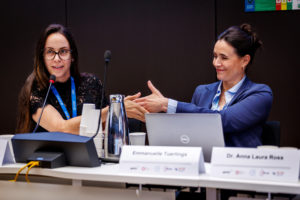
The panel was structured as a GESDA ‘anticipatory situation room,’ allowing voices from science, governance, the private sector and philanthropy to weigh each framing against the others.
Dr. Gérard Escher, Senior Advisor at GESDA, set out why mirror biology is a timely case for anticipatory governance, particularly when public narratives run ahead of the science and governance options are still being negotiated in real time. Rather than sweeping global frameworks that try to anticipate every danger, he argued for identifying clear, narrow red lines.
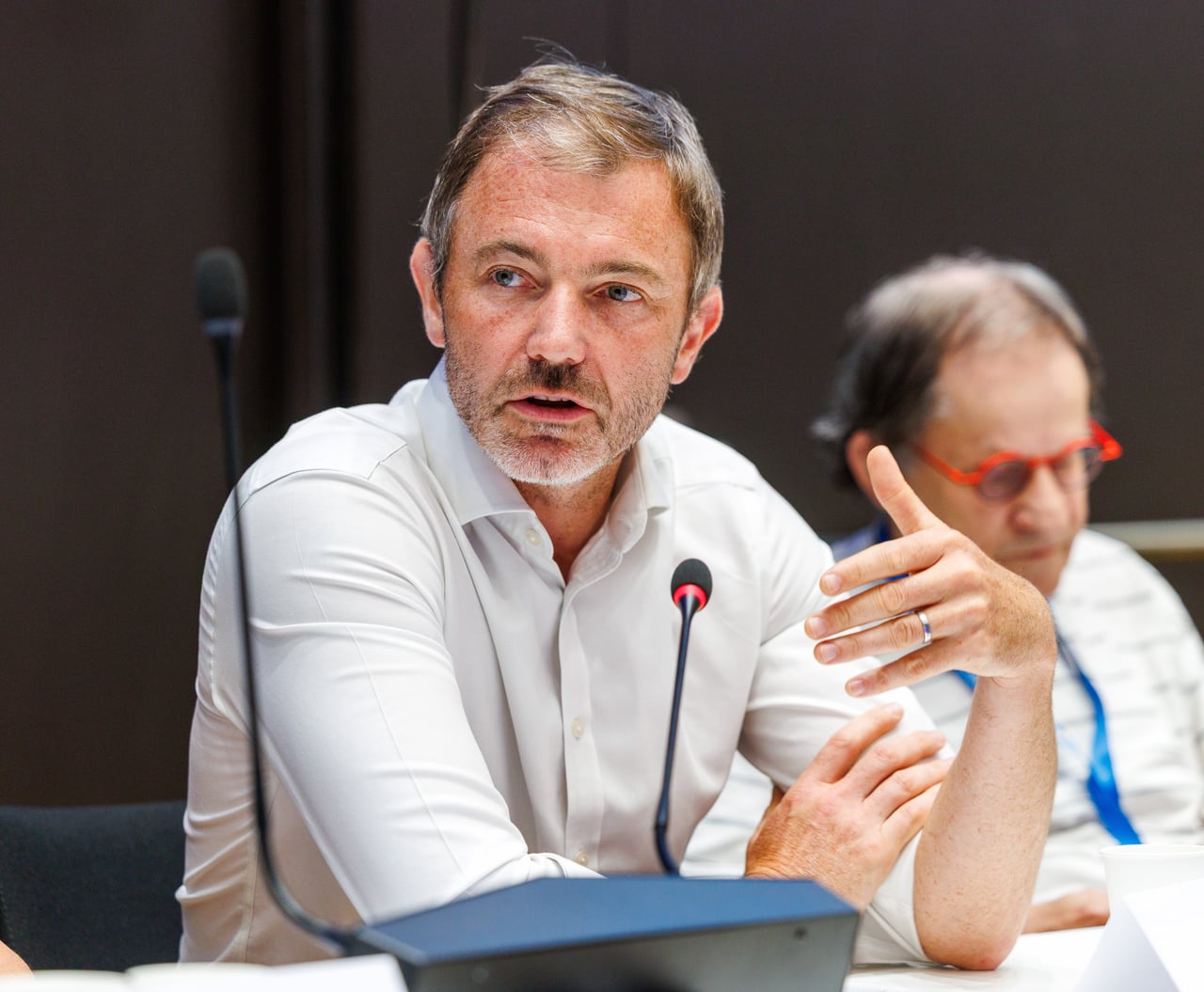
In 2025, the United Nations Secretary-General’s Scientific Advisory Board (UN SAB), of which GESDA is a member, published a brief on mirror life examining the strength of the evidence base. Dr. Adam Day, Head of the Geneva Office of the UN University Centre for Policy Research — host of the UN SAB — pointed to a structural problem in how risk becomes policy: technologies often earn serious regulatory attention only once markets have already adopted them and become dependent on them.
“We’ve known about the catastrophic effects of climate change for thirty years,” he said. “The problem isn’t anticipation — it’s policy lag.“
He challenged the assumption that private actors is not necessarily the weak link, arguing that some of the most innovative approaches to governing emerging risk are coming from industry itself. Building trusted spaces where scientists, companies and states can discuss risk together — rather than in separate, divergent conversations — matters, on this account, as much as any treaty text.
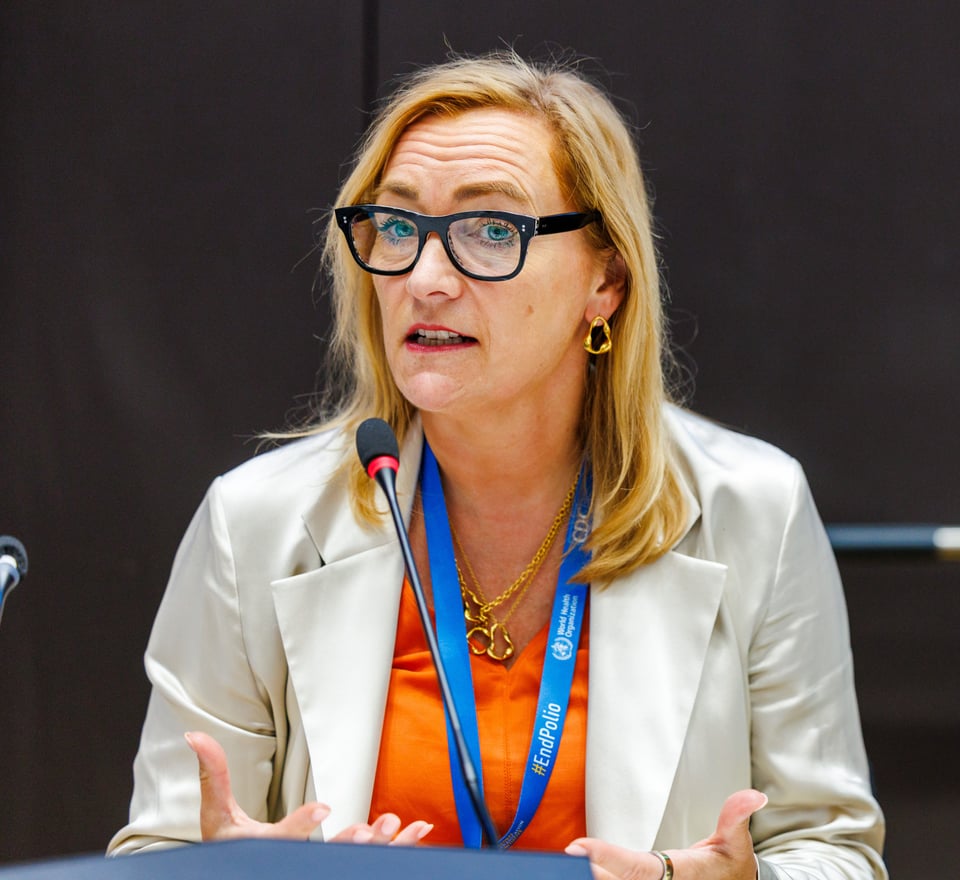
Anna Koivuniemi, Head of the Impact Accelerator at Google DeepMind, drew on AlphaFold — DeepMind’s Nobel-recognised protein structure model — to illustrate how her team thinks about responsible innovation, consulting fifty scientists, including Nobel laureates, before deciding to share results openly with the world. “In our decisions about restricting more dangerous capabilities, like protein-design tools, we are convinced the benefits outweighed the risks,” she said, noting that three million scientists across 190 countries now use the model. The harder question, she acknowledged, is where to draw the limits of open science when results could eventually fall into the wrong hands.
On the pace of regulation, she embraced the term mentioned during the panel discussion – “adaptive governance,” saying it captured the need for oversight that can keep pace with fast-moving technology. “I think we used to call it dynamic, but I’m going to change it now to adaptive,” she said, reflecting on how quickly the underlying technology moves compared with any law shaped through a multi-year drafting process.
“The gap between where science is today and what can happen represents the window of anticipation — an opportunity for action in the present,” reflected Professor Andersen.
Who funds the science, and who funds the alarm?
Early mirror biology research was supported by mainstream public funders, including the US National Science Foundation, China’s National Natural Science Foundation and the European Commission. More recent risk mobilisation has been associated with philanthropies and networks linked to longtermist and existential-risk communities.
For the leaders in the room, this surfaced a defining science diplomacy challenge: whose interests and worldviews are already shaping the agenda, and whose voices, sectors and geographies still need to be brought in?
One question from the floor pressed the panel directly: if only twelve member states have the resources to pursue this research, and those same states agree on the red lines, how can the rest of the world meaningfully hold them accountable? Escher and Day both pointed to precedents — the Montreal Protocol’s success in phasing out CFCs, and shared international scientific infrastructure like CERN — as models where broad benefit, not formal accountability mechanisms alone, sustained compliance over time.
A first case study to carry forward
Moving on to the day’s next session — a visit to the United Nations Palais des Nations — participants carried with them a set of questions and reflections to explore throughout the rest of the week. Mirror biology offered them an early and demanding exercise: how to think about the governance of an emerging field as it develops, while keeping scientific evidence and uncertainty, stakeholder responsibility and public trust in full view.
A first case study, in other words, in how science diplomacy can use the future not as a prediction, but as a discipline for governing the present.