More than 750 participants and over 80 speakers met in Geneva to help narrow the gap between scientific progress and the rules that follow it.
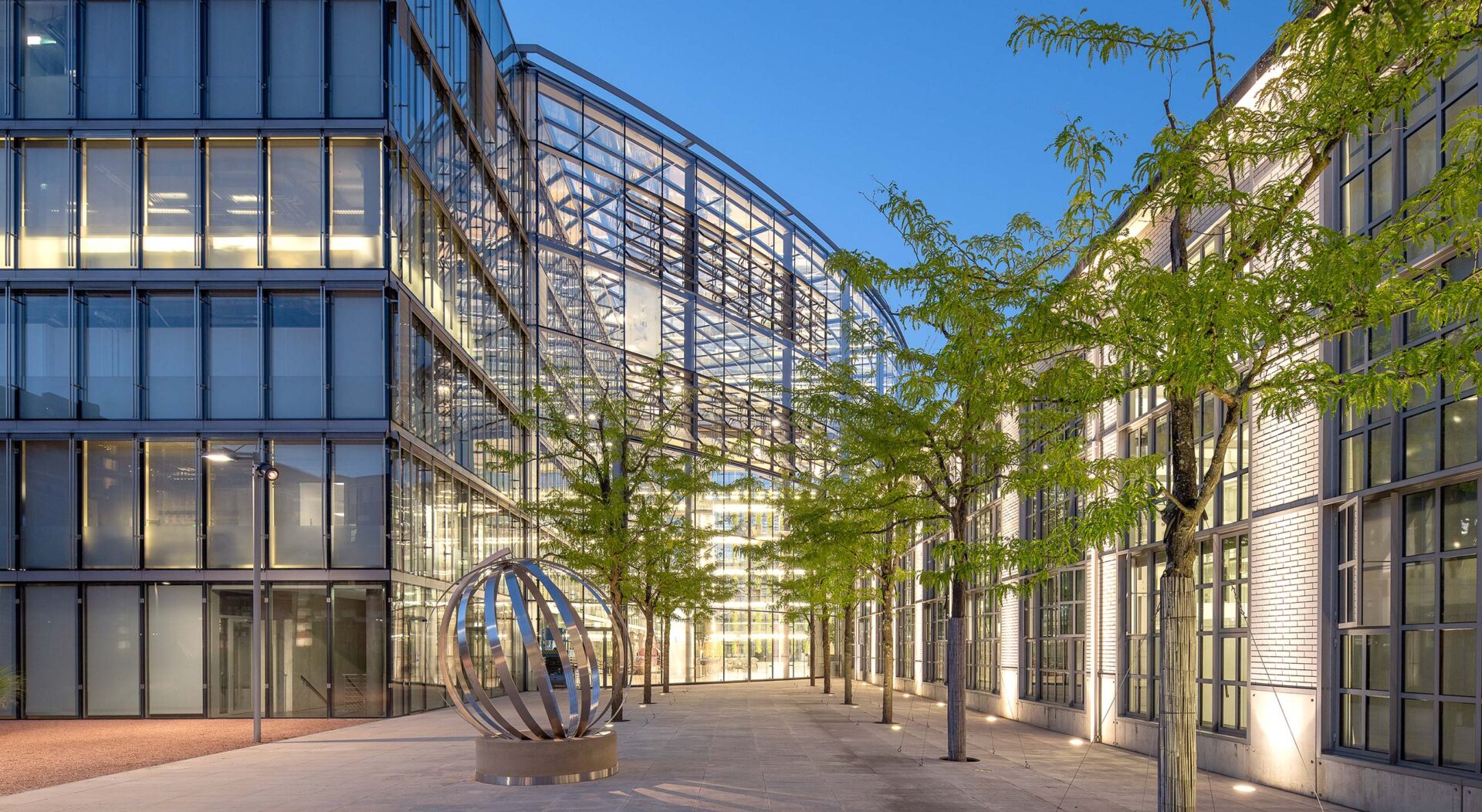
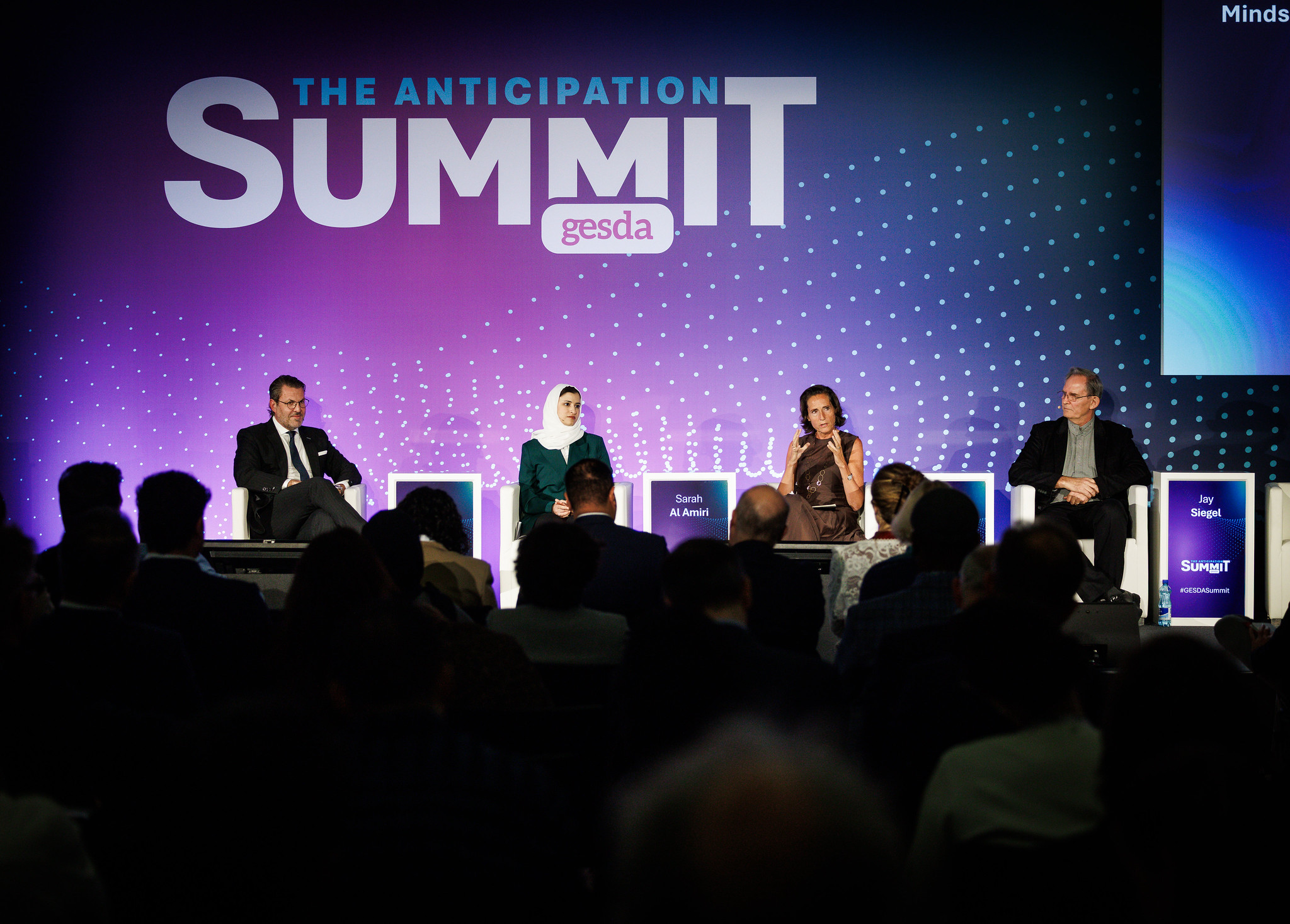
The 2026 GESDA Summit, held on 14 and 15 October at Palexpo in Geneva, brought together scientists, diplomats, policymakers and entrepreneurs to discuss how foresight can help institutions keep pace with science.
Scientific progress is moving fast, often outpacing the timelines first projected five years ago by GESDA’s Science Breakthrough Radar. Organ rejuvenation, quantum computing and artificial intelligence, for example, are advancing faster than expected, while the multilateral institutions responsible for governing them struggle to keep up. This concern ran through many of the interventions by the more than 80 speakers from government, academia, civil society and industry.
Discussions covered synthetic biology, the commercialisation of neurotechnology and the governance of space, looking at each theme both through the scientific evidence and through its implications for governance and society. The Summit also featured “Les Nocturnes de GESDA”, a bilingual event organized around the theme of human longevity, and the introduction of GESDA’s Compass decision-making policy tool.
AI on almost every agenda
Artificial intelligence ran throughout the programme, with speakers pointing to its accelerating effect on scientific research and technological development in nearly every field, and to the need for regulators and diplomats to respond in a timely manner.
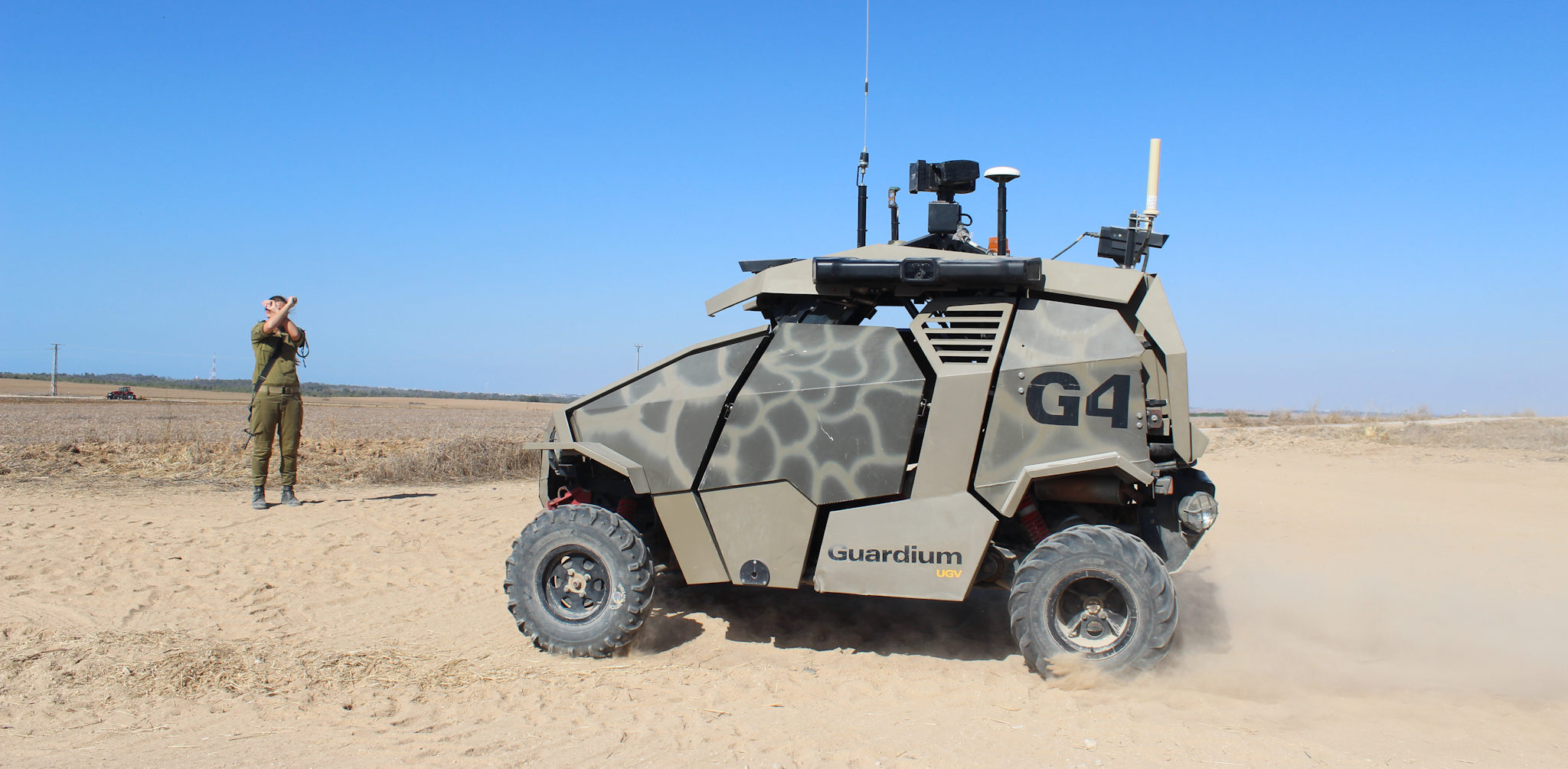
As AI moves into the physical world through robotics and automated laboratories, new regulatory questions arise. A panel on AI on the battlefield raised the ethical question of when humans should stay in control. Speakers also described how autonomous experimentation in roboticised labs may reduce research cycles from decades to months.
“AI will be a warp drive for scientific discovery, increasing the number of hypotheses we can test to arrive at grand truths,” said Hiroaki Kitano, President and CEO of Sony Computer Science Laboratories.
Panels also examined active ecological interventions such as refreezing the poles, rewilding and synthetic biology, as well as the fast growth of commercial activity in orbit. Informed by scientific insights on the future impact of these approaches, debates stressed the importance of reaching international consensus.
“The future of technology is too important for any country to shape it alone. We need strong partnerships between governments, science and business,” said Krzysztof Gawkowski, Deputy Prime Minister and Minister of Digital Affairs of Poland, during a keynote address.
While most debates focused on the impact of science on the state of the world, discussions also looked at how current geopolitical tensions and fragmentation affect scientific research. Many speakers, including Mark Thomson, Director-General of CERN, emphasised the need for scientific collaboration to remain a neutral space for international dialogue. “There is a value of exploring fundamental science for the benefit of humanity,” he said.
Opening the Summit to the public
and a tool for weighing technological choices
For the first time, the Anticipation Summit opened its doors to the general public, attracting over 500 participants to “Les Nocturnes de Gesda“, an event which explored the implications of human longevity on society, healthcare, the economy and urban planning.
The Summit also marked the introduction of the Compass, a digital platform developed by GESDA to help decision-makers foresee the impact, ethical questions and regulatory hurdles of emerging scientific innovations, in order to develop appropriate responses. Version 1.0 of the Compass focuses on assessing the impact and ethical implications of brain-computer interfaces (BCI), which offer exciting possibilities for people with disabilities to interact with the world, and new ways for humans to engage with machines but which raise ethical questions.
For GESDA Director General Prof. Marilyne Andersen, the Summit is first and foremost a call to action. “We are facing a lot of change, and humans are not comfortable with change. In that moment of uncertainty, what we need is action: feeling that we can do something about it and build our own intentional future,” she said during her opening speech.
The 2026 GESDA Anticipation Summit panel sessions are available to watch on GESDA Youtube.