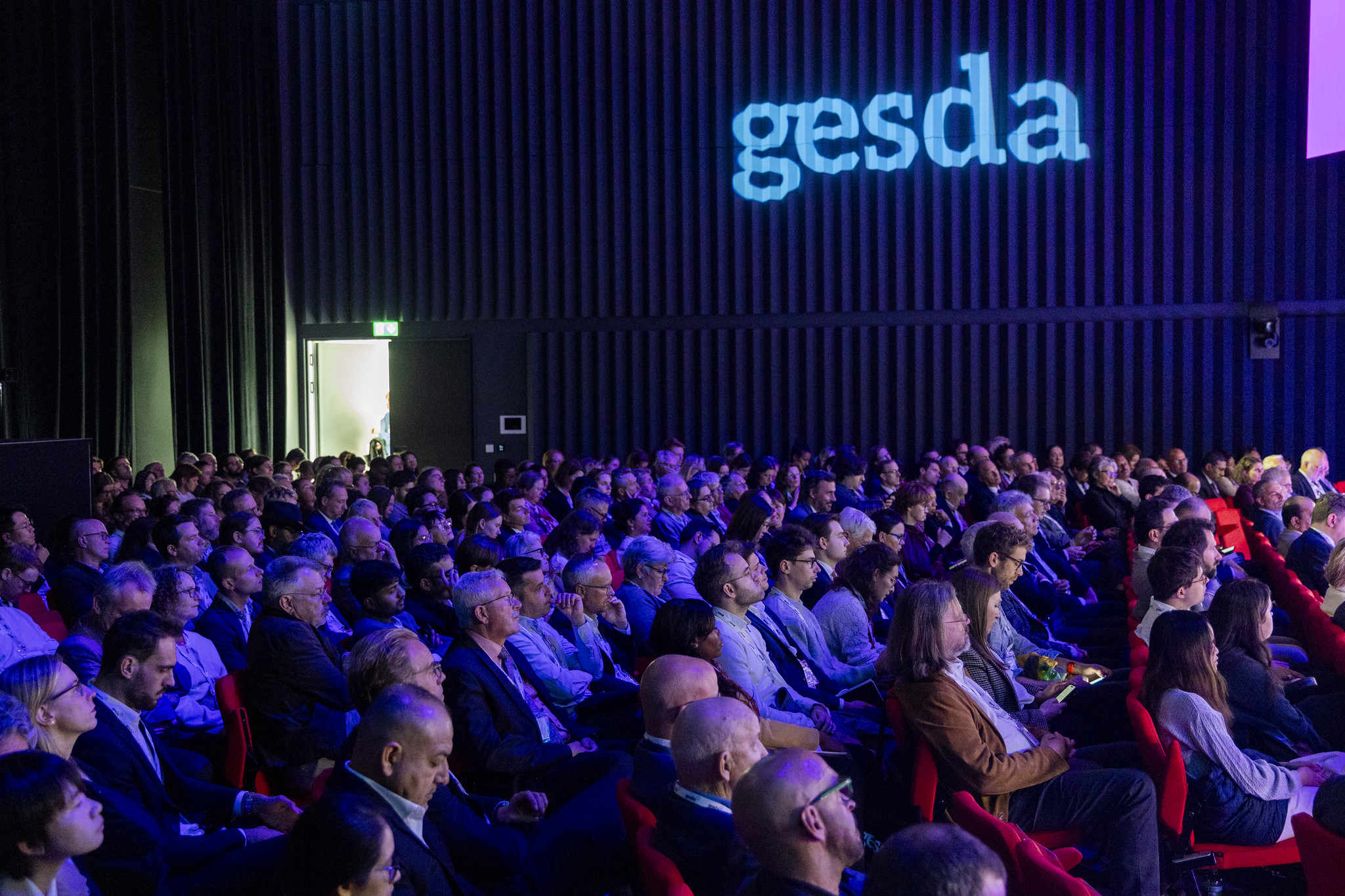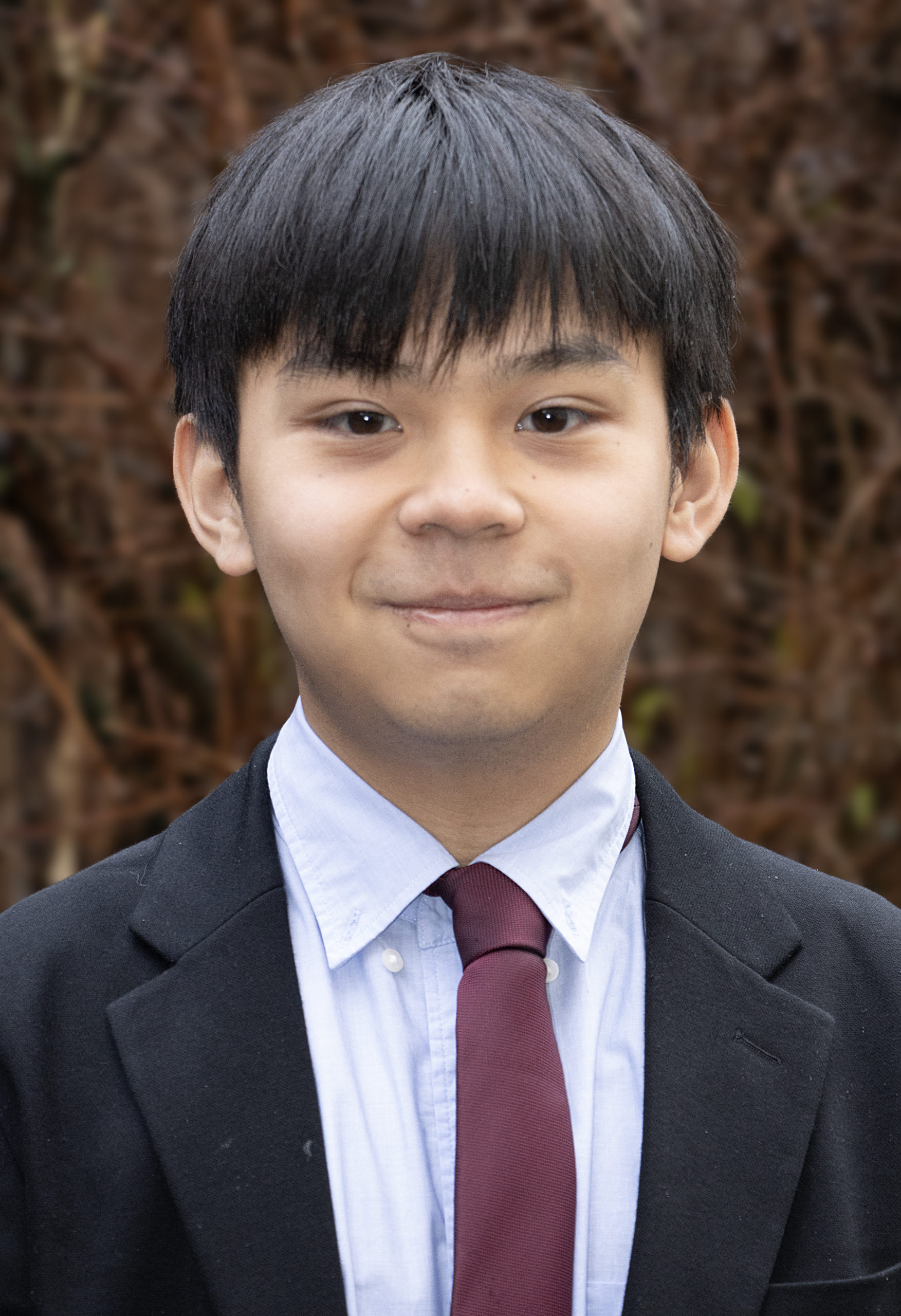
The author, Renzo Lacida, was one of around 20 young people to participate in the 2025 GESDA Summit. Here, he shares his reflections on his experience of immersing himself in the worlds of science and diplomacy.
A 17 year old student at Haut-Lac International School and the youngest Villars Ecopreneur, he aspires to build the next generation of climate innovations that are not only socio-environmentally responsible but profitable too. He has worked with the Ban Ki-Moon Foundation and other facets of the United Nations.
He was a finalist at Rustic Pathways and Stanford’s Climate Leaders Fellowship Program, and he also founded CocoHOPE, an NGO fundraising coconut trees and teaching Filipino coconut farmers integrated farming techniques to increase their incomes by an average of 60%.
By Renzo Lacida
Can humanity prepare for a future that it can’t fathom?
As anxiety for the future of technology grows, scientists and diplomats echoed a message of power and optimism for what is to come whilst emphasising the need for regulation. I was truly inspired by the fact that no matter whether participants were diplomats, part of academia, or CEOs, everyone involved underlined the betterment of humanity as the true goal of our technological advancements. Our technologies should be beacons of development and equality, and not purely profit machines.
One of the points that interested me the most was the discussion surrounding how we could accelerate synthetic biology through AI and Quantum computing. One panel on fungicides demonstrated how RNA interference (RNAi) sprays could gene-silence pathogenic fungi responsible for up to 40% of agricultural loss in many regions. The solution resonated strongly with me as a Filipino, as agriculture employs over 25% of the Filipino population and fungal outbreaks in corn, bananas, and coconuts often lead to up to 60% crop loss for smallholder farmers. I saw this innovation as a transformative pathway to strengthening the nexus in lower income countries with large primary sectors, but of course wanted to ensure safety.
Others did too, hence rigorous testing was emphasised for and open collaboration in tandem with investment in anticipatory governance were stressed too. A strength of the conference was the fact that participants were humble enough to admit when they didn’t know or admit downsides to their innovations, but were always courageous enough to speculate.
Leveraging AI and Quantum technologies in research really spoke to me as well. A DeepMind led panel spoke on how AI predicted over 200 million protein structures, and how open-sourcing that information led to candidate drug identification, investigating diseases, and developing disease resistant crops and animals (i.e. vitellogenin in bees). Forward-looking solutions like this could be vital for saving lives and maintaining biodiversity on a planetary scale.
I was happy to ask a question on whether we could ensure the net-benefit of AI given the resource consumption that this technology has, which Anna told me was a great question given it was one of AI’s largest liabilities and it was being looked at. Others asked about the potential malicious use of the software, and Anna mentioned how Google went to 50 different experts to ensure the tech’s safety. I was comforted by the fact that the experts deliberately made sure to take the time to anticipate all the potential issues that AI could have before properly launching the technology.
If there was only one takeaway that I had though, it was the emphasis on multilateralism. In a session I attended on small states shaping global science diplomacy, leaders demonstrated that flexible coalitions could be just as effective as large efforts in sparking change. Alongside that, they showed that smaller nations could implement anticipatory policies more efficiently than larger nations, with frameworks such as NAIS – Singapore’s AI strategy. In order to face an increasingly fragmented world, we owe it to one another to respect each other’s diverse opinions and act towards multifaceted innovation with multifaceted preparation.
I was fortunate enough to not be ‘just’ a youth participant, but rather a witness to the fact that when science and diplomacy work in tandem with one another, we can reclaim hope for the future. Peter Brabeck-Letmathe, GESDA chairman, said it best – the future is something we create, not something that just happens to us”.